Why Small-Town Gun Shops Still Matter
May 13th 2026
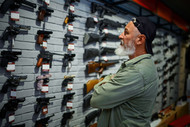
You can tell a lot about a gun shop within the first few minutes of walking in.
Some places feel like a retail store that happens to sell firearms. Other places feel like they’ve been part of the community for years. Most people who live in rural areas know exactly what I mean.
The local gun shop still matters because most people around here don’t just want to buy something and leave. They want to talk to somebody who actually knows what they’re talking about.
That’s getting harder to find.
Experience Matters
One thing small-town shops usually have over bigger stores is experience.
The guy behind the counter has probably:
- hunted locally for years,
- spent plenty of weekends at the range,
- and seen enough firearms come through the shop to know what holds up and what doesn’t.
So when somebody asks for recommendations, the answer usually comes from actual use instead of whatever product is being pushed online that week.
People trust that.
You Get Better Advice
A good local shop will usually steer somebody toward what actually makes sense for them instead of just whatever costs the most.
Especially for:
- first-time buyers,
- younger shooters,
- or people looking for practical setups instead of trendy ones.
That kind of honesty keeps people coming back.
Most rural gun owners care more about reliability than marketing anyway.
They’re Part of the Community
In small towns, gun shops end up becoming part of local life whether people realize it or not.
They sponsor events.
They support local shooting teams.
They know the regulars by name.
A lot of conversations happening in those shops have nothing to do with sales at all. Hunting season, weather, crops, local news — it all mixes together.
That’s part of why people still stop in even when online ordering exists.
Online Can’t Replace Everything
Sure, the internet made things easier. Prices are sometimes better online too.
But there’s still value in being able to:
- handle something before buying it,
- ask questions,
- compare options,
- and get advice from people who actually use the equipment themselves.
Especially when somebody’s spending serious money.
Most experienced shooters know bad gear decisions usually come from buying things blindly.
Local Shops Keep the Culture Around
A lot of firearm culture in rural areas gets passed around through local shops, ranges, and conversations between people who’ve been doing this a long time.
That’s where newer shooters learn.
That’s where people hear about local events.
That’s where experience gets shared.
And honestly, most people would rather support a place like that than another giant warehouse company that treats firearms like any other product on a shelf.
That’s probably why small-town gun shops aren’t going anywhere anytime soon.